

Audi A3 temperature gauge spiking then resetting? Don't ignore it. Learn what causes this pattern, what needs repair, and why catching it now saves thousands.

Los Angeles driving conditions make maintenance especially important. There's no backup brakes below your current brake pads. Your engine needs love too. This is a story about what maintenance is involved in one customers' Porsche Macan GTS, along with the warning signs that mean your Macan GTS needs the same attention. This is especially true if you're driving it around Culver City, Marina Del Rey, or Inglewood where you're not just dealing with traffic but also closer to the ocean. Common Signs Your Macan GTS Needs Maintenance Your Porsche Macan GTS needs maintenance if you notice any of these signs, not just when the dashboard reminder lights up: Reduced braking responsiveness , longer stopping distances, or pulsating through the brake pedal are signs that brake components have worn past safe limits. This shows up faster than the owner's manual predicts if you're navigating the constant stop-and-go on Washington Boulevard, Overland Avenue, or Sepulveda Boulevard; Culver City's traffic signals and speed bumps put brakes through far more cycles than highway miles ever would. Reduced throttle response or a less-smooth feel during acceleration, especially past 10,000 miles or a year since your last oil service. Weaker airflow from the vents, often caused by a clogged cabin air filter. This filter works overtime near Inglewood, where LAX and SoFi Stadium traffic keep exhaust and brake dust concentrated along Century Boulevard and La Cienega. A slight drop in fuel efficiency , as degraded oil increases internal engine friction. Individually, these seem minor. Together, they're exactly what Porsche's factory maintenance schedule is designed to catch before they become bigger problems. Common Maintenance Issues We Uncover on Macan GTS in the Culver City and Marina Del Rey Area A maintenance inspection on this 2021 Porsche Macan GTS uncovered brake pads at 35% remaining up front and 30% in the rear, both below the 40% threshold we recommend for performance driving. Stop-and-go corridors like Culver City's surface streets wear pads down faster than highway commuting, so vehicles driven locally often reach this threshold sooner than the maintenance schedule anticipates. The inspection also flagged early rotor corrosion, a pattern we see often on vehicles that spend time near Marina Del Rey. Coastal marine layer moisture and salt air accelerate surface rust on rotors and brake hardware, even on a vehicle otherwise driven and stored responsibly. Both engine and cabin air filters needed replacement too. The cabin filter showed heavy particulate buildup, so we upgraded it to a Porsche Biofunctional filter for better allergen protection and airflow. We opted for full brake system replacement rather than pads alone. Rotor wear and corrosion patterns would have compromised contact with new pads, and the existing wear sensors had reached end of life. Replacing everything together avoids the uneven wear that comes from mixing new and worn brake components. How We Perform Porsche Macan GTS Maintenance for LA Drivers Porsche Macan GTS maintenance at Euro-Tech Motors runs through three phases: the oil service, the brake system replacement, and final verification checks. Oil service: We drain the used synthetic oil from the 2.9L twin-turbo V6, inspect the undercarriage for leaks, then install a new genuine Porsche oil filter and crush washer. We refill with Liqui Moly Top Tec 4210, formulated to Porsche's VW 502.00/505.00 spec for turbocharged engines, and replace both air filters. Brake system: We remove all four wheels, measure pad and rotor wear at each corner, and install new genuine Porsche pads, sensors, and rotors front and rear. We bed the new pads with controlled stops, reset the brake wear monitoring system, and clear stored fault codes. Final checks: Tire rotation and pressure adjustment, hinge lubrication, fluid top-off, and a service reminder reset. We road test across the stop-and-go of Culver City surface streets, the 405 on-ramps near Marina Del Rey, and the denser traffic around Inglewood to confirm smooth, vibration-free braking under the exact conditions your Macan GTS sees every day. Macan GTS Maintenance FAQs for LA Drivers My brake warning light is on, or braking feels off. What should I do? Get it inspected right away. Reduced responsiveness, longer stopping distances, or pedal pulsation often mean pads below the safe 40% threshold. Avoid aggressive driving until it's checked; worn pads can damage rotors and increase repair costs. Does living near the coast in Marina Del Rey affect my brakes? Yes. Salt air and marine layer moisture accelerate surface corrosion on rotors and brake hardware, even with normal driving. We check for early rust patterns during every maintenance visit for coastal-area customers. Does the type of oil matter for my Macan GTS? Yes. Premium synthetics like Liqui Moly Top Tec 4210 handle the heat and pressure a twin-turbo V6 generates better than lower-grade oils. That means less sludge, more consistent throttle response, and better protection for the turbochargers. What does a complete oil service at Euro-Tech Motors include? Typically 2 to 3 hours: oil and filter replacement with genuine Porsche parts, an undercarriage inspection, engine and cabin air filter replacement, a multi-point check of brakes, tires, and fluids, and a diagnostic scan before resetting your service reminder. Why genuine Porsche brake parts over aftermarket? OEM pads, rotors, and sensors match Porsche's exact friction and metallurgical specs, which means better pedal feel, heat dissipation, and longevity. The higher upfront cost usually pays off by avoiding premature wear and repeat replacements. How can I make my brakes last longer in stop-and-go LA traffic? Brake smoothly and anticipate stops rather than braking hard at the last second, especially through Culver City's frequent lights and speed bumps. Use engine braking on downhills instead of riding the pedal. Get pads checked yearly or every 10,000 miles, and address brake fluid contamination promptly. Why Factory-Standard Maintenance Protects Your Macan GTS Factory-standard maintenance protects the engineering Porsche built into your Macan GTS. That means sludge-free oil and precisely matched, corrosion-resistant brake components. Manufacturer-approved parts and fluids keep operating temperatures in check, and thorough inspections catch developing issues, whether from stop-and-go Culver City traffic or Marina Del Rey's coastal air, before they turn into expensive repairs. At Euro-Tech Motors, every fluid, filter, and wear component gets evaluated by technicians who specialize in German performance engineering. That's the difference between a basic oil change and genuine Porsche Macan maintenance. Ready for service? Call us at (310) 915-7600 or visit eurotechmotors.com to schedule your Macan GTS maintenance in Los Angeles.

2016 Audi A3 noise over bumps? Euro-Tech Motors' Los Angeles specialists discover dangerous missing brake caliper bolts requiring emergency safety repair.

2016 Audi Q5 coolant light keeps turning on? Euro-Tech Motors' Los Angeles specialists diagnose faulty tank sensors with proper expansion tank replacement.

2007 Audi RS4 EPC light and rough idle? Euro-Tech Motors' Los Angeles specialists diagnose complex electrical failures with expert relay replacement service.
Trust Euro-Tech Motors for top-notch Audi service in Los Angeles. Experience precision, expertise, and customer care. Visit us today!
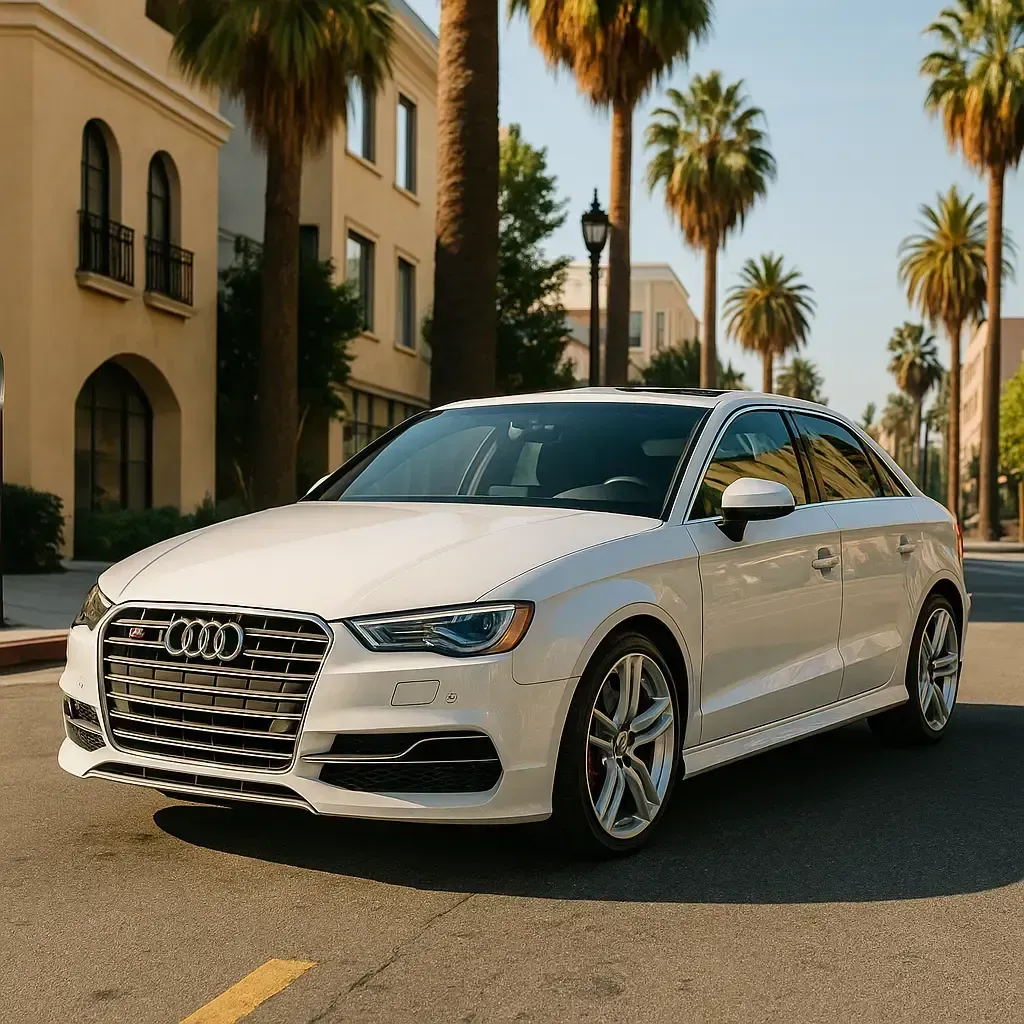
2015 Audi S3 sounds like aircraft at highway speeds? Euro-Tech Motors' Los Angeles specialists diagnose failed wheel bearings with safety-focused replacement service.
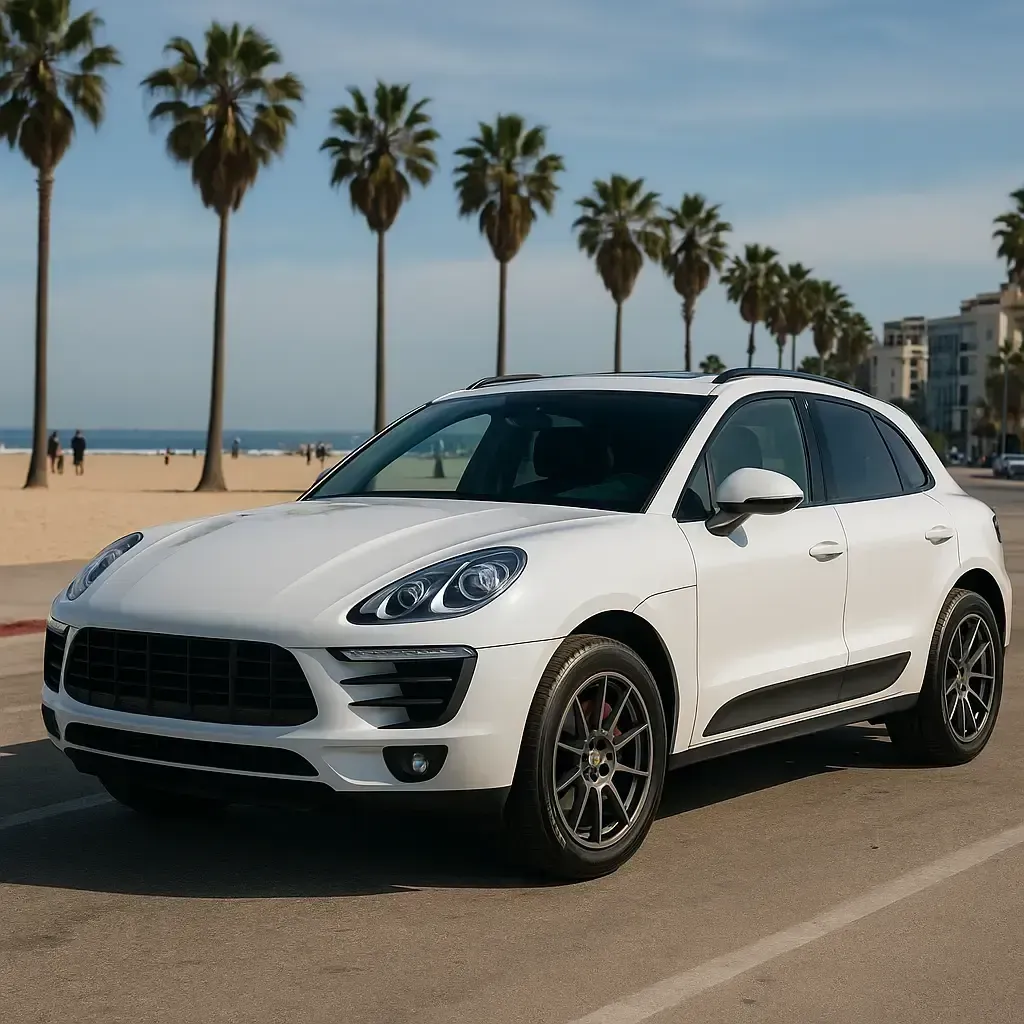
2017 Porsche Macan whistling noise? Euro-Tech Motors' Los Angeles specialists diagnose failed crankcase vent valves with OEM replacement and expert service.
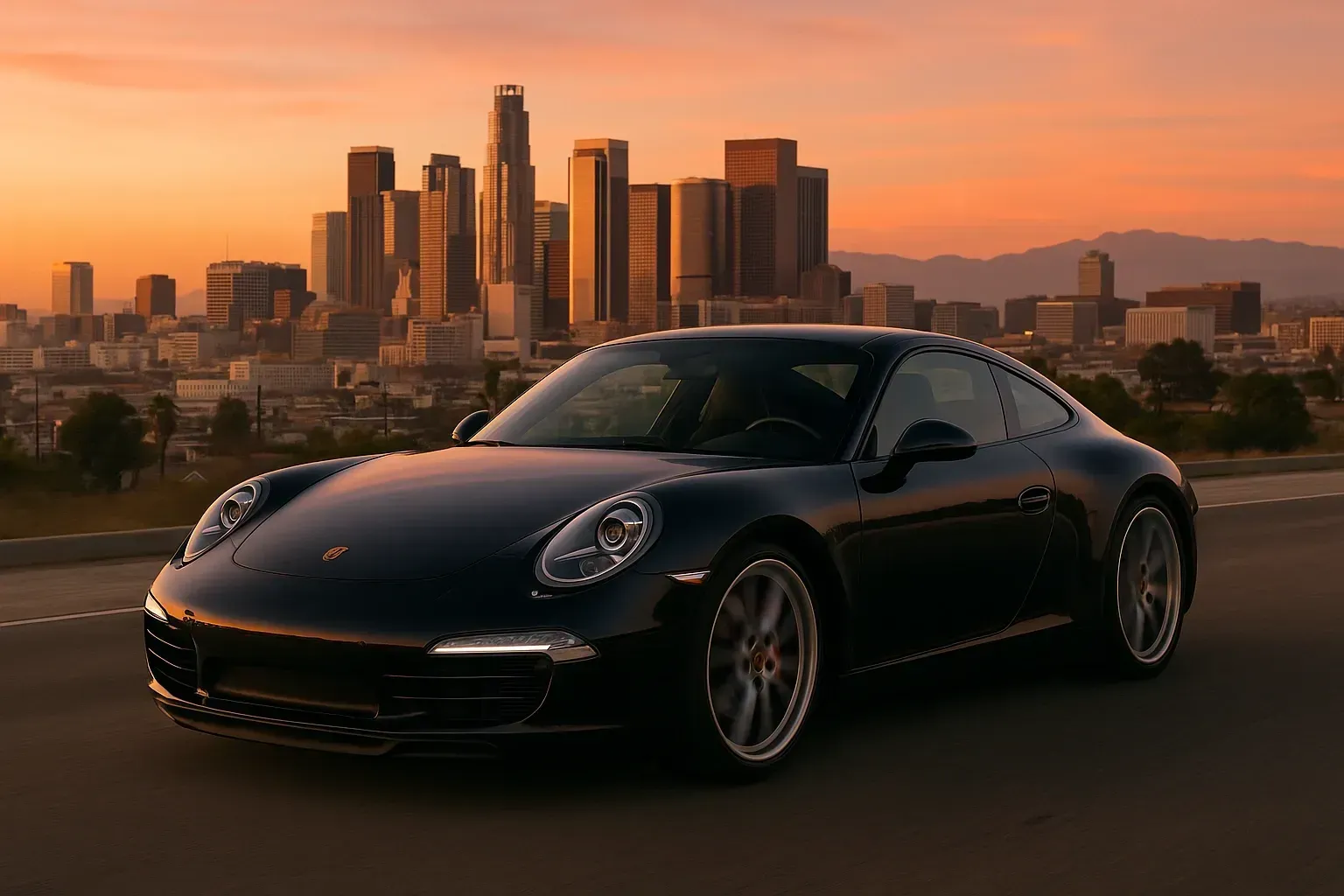
2012 Porsche 911 window operating erratically? Euro-Tech Motors' Los Angeles specialists diagnose control unit failures with proper motor replacement and software adaptation.
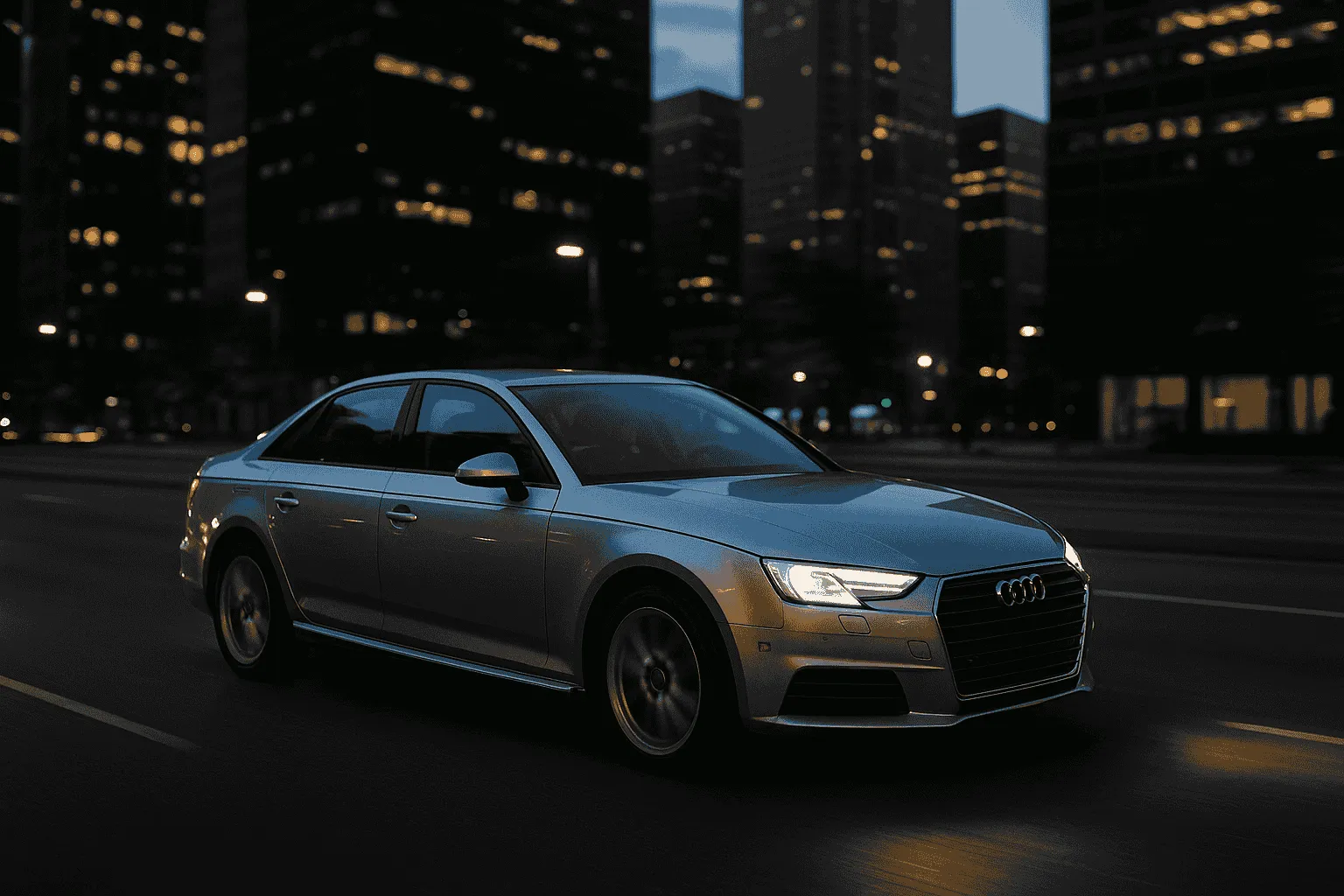
2014 Audi A4 battery discharge and shutdown? Euro-Tech Motors' Los Angeles specialists diagnose catastrophic starter failures with emergency safety-focused repair.